

Real-Time Oversight Keeps Every Technical Element on Track
Technical directing for live events where timing, communication, and fast decisions determine how confidently the show runs
Amplified Production Group provides technical directing for corporate events, conferences, live productions, road shows, and large-scale programs where multiple systems and crews need to move as one. When audio, video, lighting, staging, presenters, and vendors are all operating in real time, the event needs one clear point of control. Without that oversight, small problems become visible fast.
Cues get missed. Operators receive conflicting direction. Transitions happen too early or too late. A microphone issue, video delay, or lighting problem can interrupt the flow of the room if no one has clear authority to make the next decision. A technical director prevents that.
This role gives your production one experienced leader responsible for show flow, crew communication, cue calling, timing adjustments, and real-time technical decisions. The technical director stays connected with the stage manager, audio team, video operators, lighting technicians, stagehands, and vendor partners so every move is coordinated before it reaches the audience.
If your upcoming event involves multiple technical systems, vendors, or production teams, reach out to discuss securing technical direction for your production.
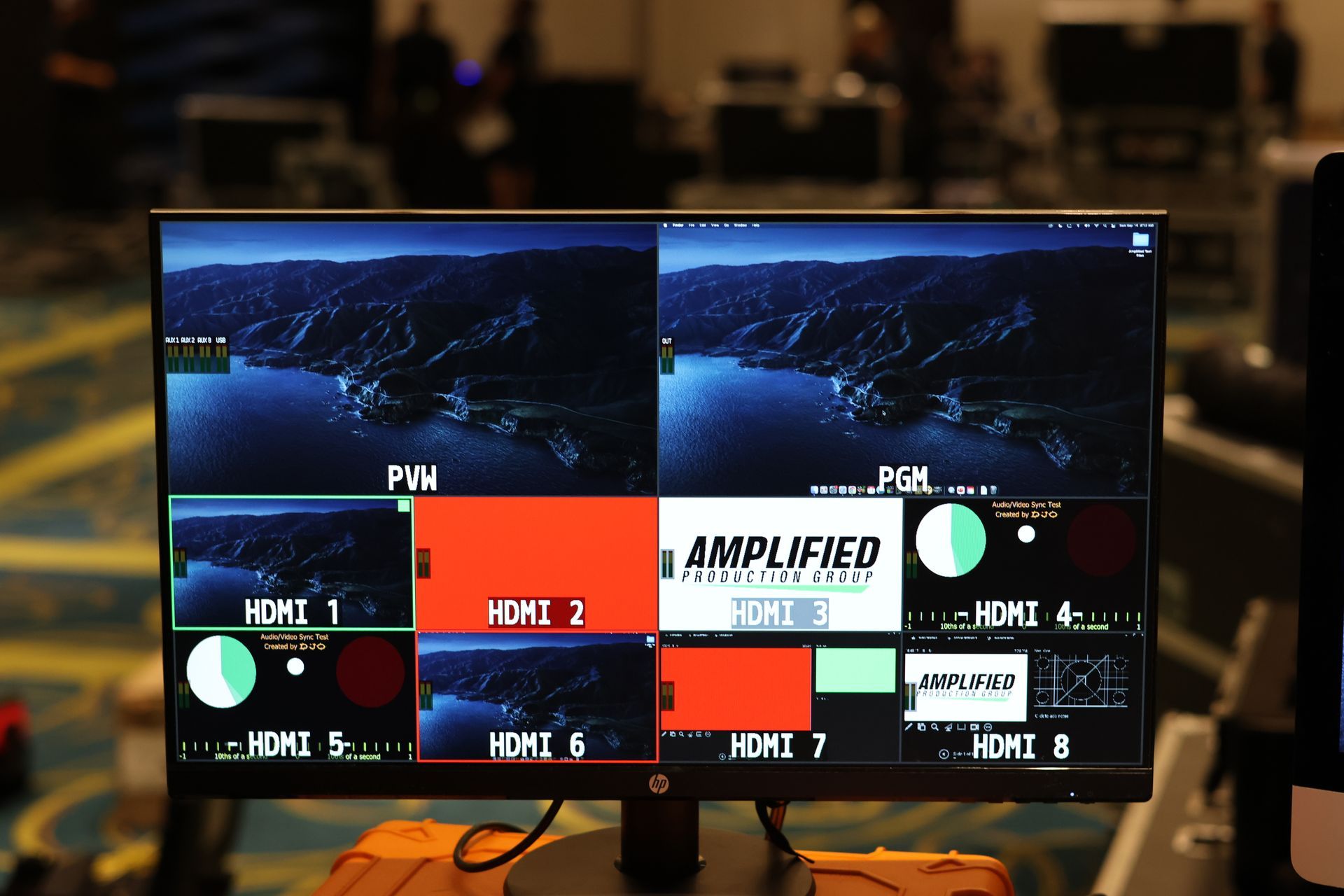
How Technical Directors Maintain Precision During Live Events
Technical direction starts before the show begins.
Amplified Production Group reviews the run of show, identifies critical cues, confirms crew assignments, and establishes communication protocols so everyone understands how the event will move. The technical director looks for pressure points early: complex transitions, presenter changes, live performances, video playback, remote feeds, stage resets, or moments where multiple systems need to fire together.
That preparation gives the event structure before the room fills.
During rehearsal, the technical director confirms timing, reviews cue sequences, checks communication channels, and makes sure operators know what happens next. When the event begins, that same person manages the flow in real time.
The result is control.
Cues are called clearly. Transitions stay coordinated. Timing changes are communicated quickly. If a segment runs long, a presenter skips a section, or a technical issue appears, the technical director adjusts the plan without letting the room feel the pressure.
That is the difference between crews working near each other and crews working together.
This service includes pre-event production meetings, rehearsal oversight, live event management, crew communication, cue coordination, and post-event debriefing. Technical directing does not include operating individual systems such as audio mixing, lighting control, or video switching, but the technical director coordinates directly with the specialists running those systems. If your event requires additional crew or specialized operators, those assignments can be managed as part of the overall production plan.
What Technical Directors Handle During Live Events
Questions about technical directing often focus on communication, timing changes, equipment issues, and how one person keeps multiple production elements aligned under pressure.
What tools does the technical director use to communicate with the crew during an event?
The technical director typically uses wired or wireless intercom systems to stay connected with operators, stage managers, technicians, and key crew members. For complex events, separate communication channels may be used for audio, video, lighting, staging, or multi-room production areas.
How does the technical director adjust the timeline when a segment runs longer than planned?
The technical director monitors the show clock and works with the stage manager to adjust the flow. That may mean compressing transitions, shifting cues, delaying playback, shortening non-critical moments, or coordinating the next segment so the event stays controlled without cutting important content.
When does the technical director step in to solve a technical problem during the event?
The technical director steps in as soon as an issue affects show flow. If a microphone fails, a video does not play, a lighting cue misfires, or a stage transition needs to change, the director coordinates the response, redirects crew, activates backup plans, and keeps the event moving.
Why do multi-vendor events in Boise benefit from having a single technical director?
When audio, video, lighting, staging, scenic elements, and venue teams are handled by different vendors, communication can split quickly. A technical director creates one point of oversight so decisions are clear, cues stay aligned, and crews are not working from different assumptions.
What happens if a presenter goes off-script or skips a planned segment?
The technical director communicates the change to every affected operator, updates the cue sequence, adjusts timing, and prevents outdated cues from being executed. The audience does not need to know the plan changed. The production simply keeps moving.
Amplified Production Group works with event producers, corporate teams, venue managers, and production partners to provide technical direction that keeps live events coordinated under pressure. When your event needs one clear point of control, contact the team to review your timeline, crew structure, and production requirements.